Movember in Lithuania: Meaningful Education and Growing Organisational Engagement in Men’s Health
Throughout November (Movember), particular emphasis has been placed on prevention: the early detection of prostate and testicular cancer, mental health, challenging long-standing myths and raising awareness among men. This year, both business and social organisations have actively embraced the initiative, united by a clear objective: to help men take care of their health in a timely manner.
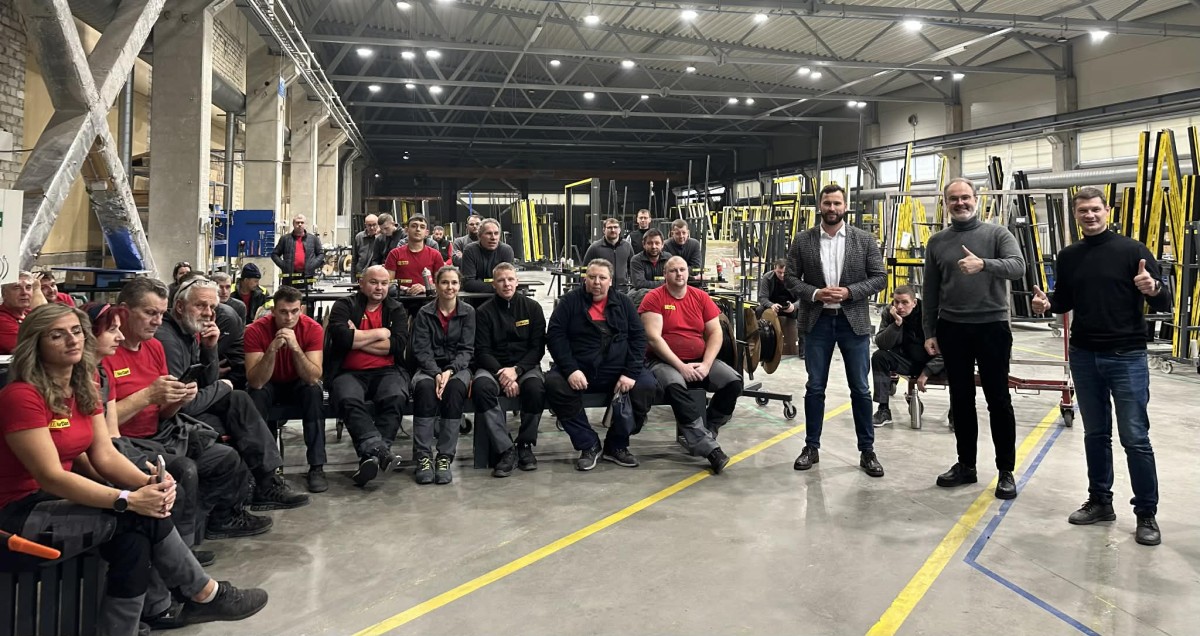
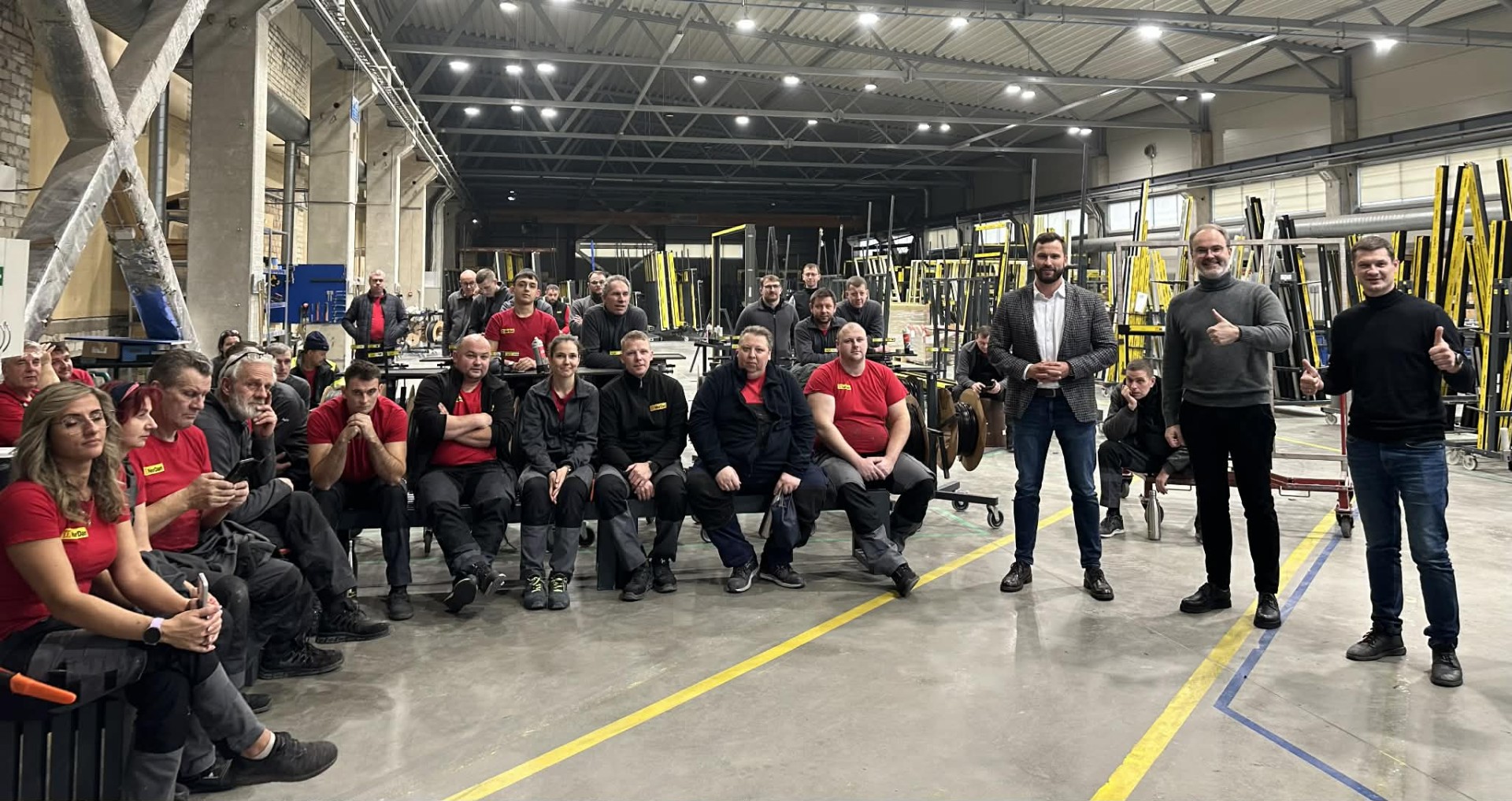
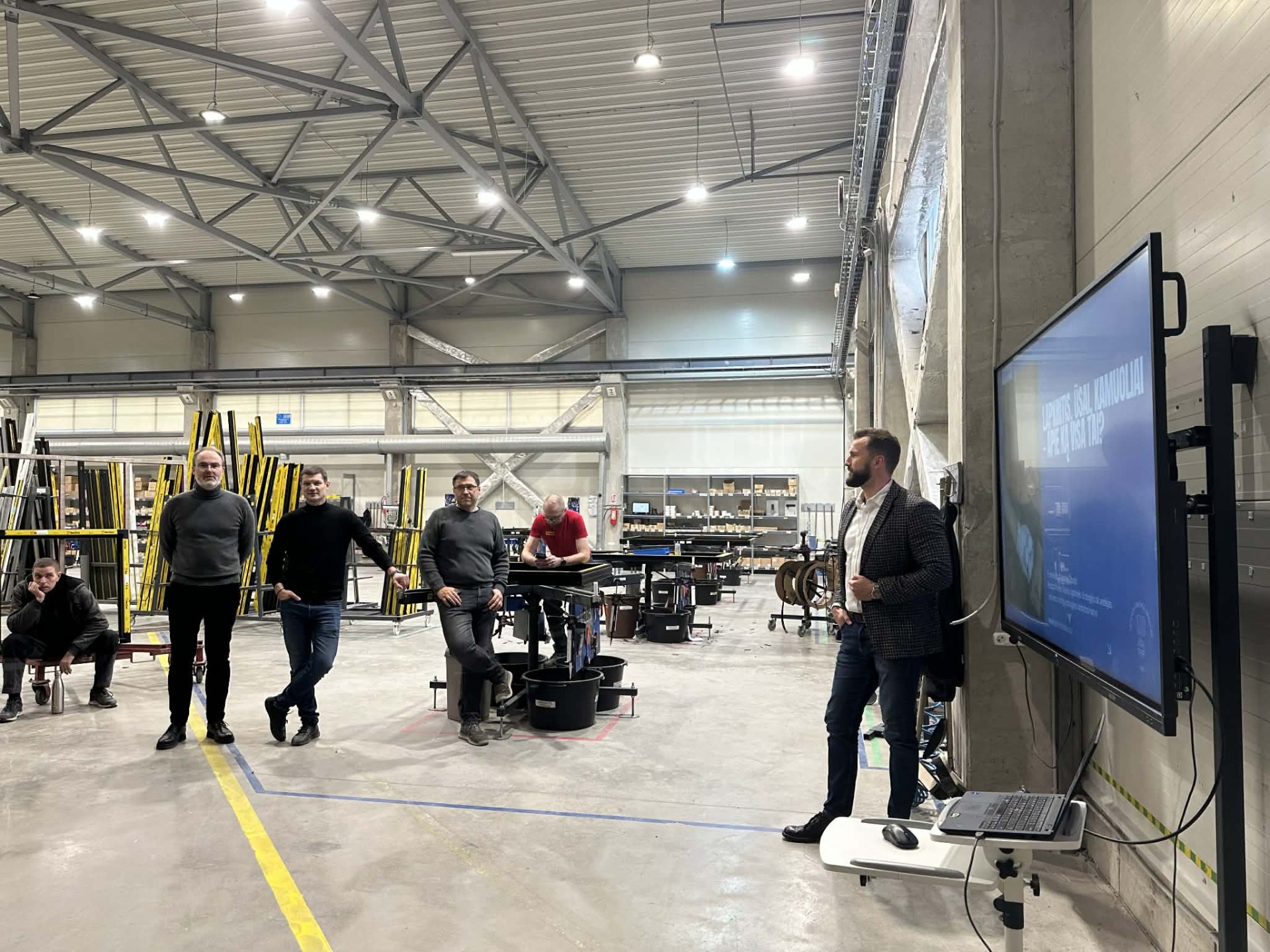
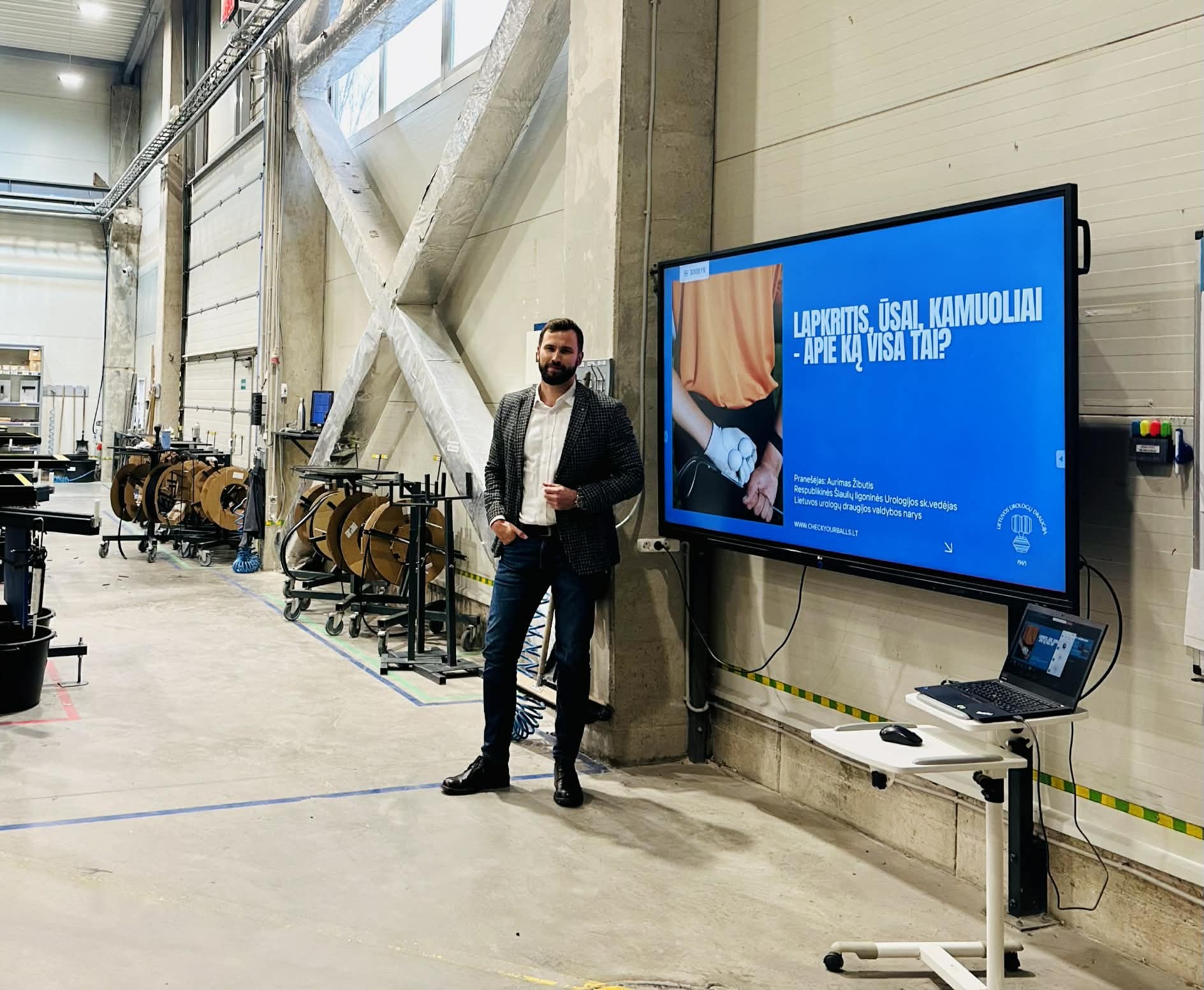
On November 17, Dr Aurimas Žibutis, urologist and Board Member of the Lithuanian Urological Society (LUD), delivered a presentation at NorDan, a Scandinavian-owned manufacturing company in Mažeikiai, highlighting the essential aspects of men's health that every man should know.
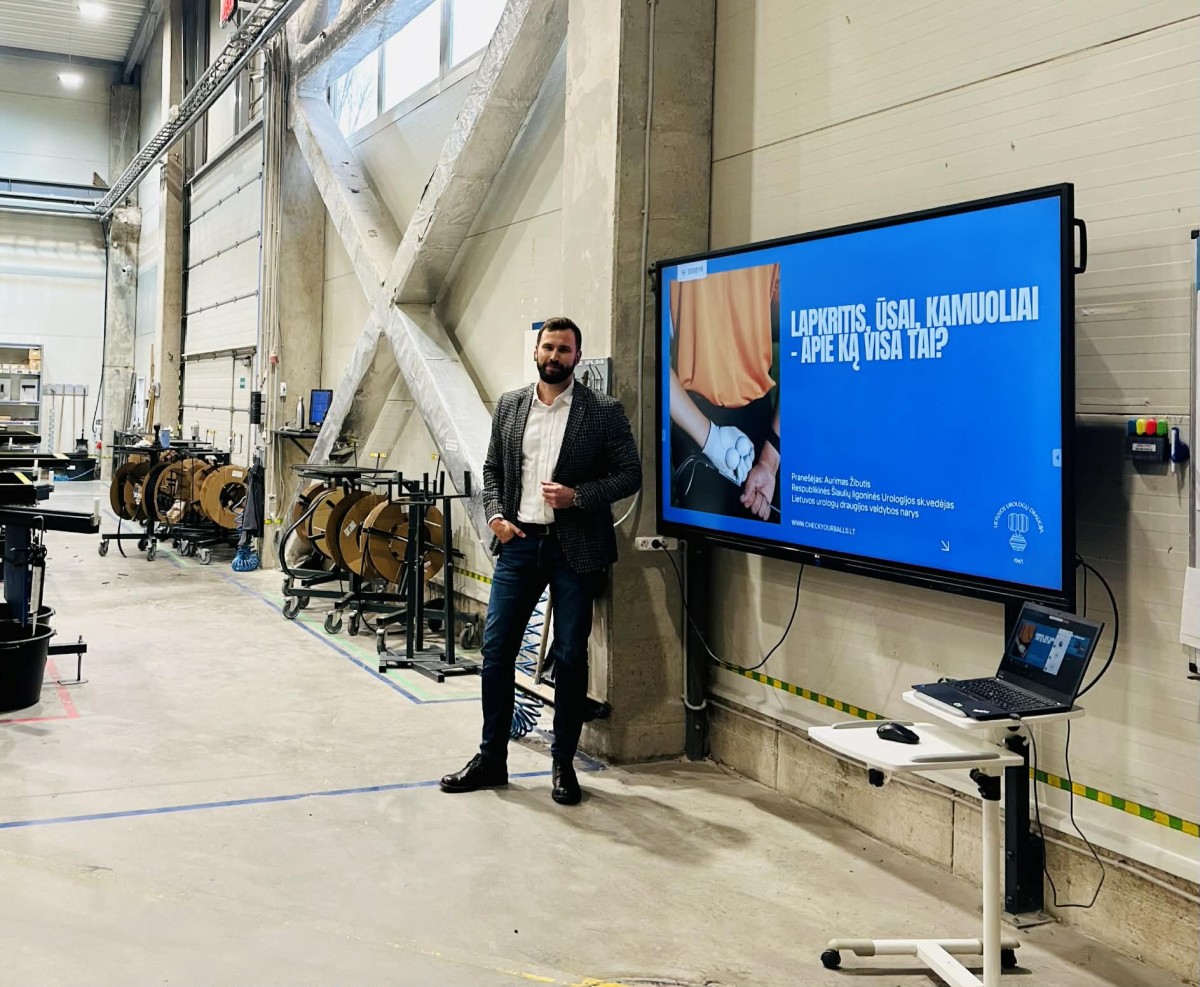
“I spoke to employees about testicular self-examination, prostate diseases and the key aspects of prostate cancer. I also presented the LUD initiatives and projects dedicated to these topics. I emphasised the benefits of preventive examinations and early cancer detection. I encouraged men to talk about health issues relevant to them, challenge stigmas and seek help without delay, whether they are experiencing physical or emotional difficulties.
“One of the most common questions I encounter is: what are the early signs of prostate cancer? The truth is that prostate cancer usually causes no symptoms in its early stages. The first step in detection is a PSA blood test. I was pleased that, following the presentation, the company organised on-site PSA testing for all interested male employees.
“I consider this type of workplace education an especially effective way of strengthening men's attitudes towards prevention and specialist consultations, and encouraging them not to be afraid to discuss existing health concerns. Fear and stigma are reduced, awareness of the benefits of prevention grows, the relationship between doctors and the male community is strengthened, and, most importantly, people are encouraged to take practical action.
“I would recommend organising specialist-led presentations and discussions, providing opportunities for employees to undergo preventive tests at their workplace, offering additional incentives to encourage health checks, and placing particular emphasis on mental health. Movember initiatives of this kind help foster a culture of health within organisations. In the workplace, men become more interested, ask questions, find it easier to absorb information and begin discussing these topics with one another. This helps reduce stigma and uncertainty surrounding preventive healthcare.
“The involvement of the public and organisations reflects growing awareness that health is not solely an individual responsibility – it is also a shared community priority. Initiatives of this kind complement the healthcare system and help reach broader audiences. They give healthcare professionals an opportunity to support prevention, rather than simply treat diseases once they have developed. Such encounters contribute to early diagnosis, create real opportunities to save lives and improve men's quality of life,” Dr Žibutis reflected on his experience following the presentation.
“Our aim was to draw attention to men's health, provide information about cancer prevention and encourage men to take care of themselves without postponing necessary health checks. At our company, caring for people is one of our core values. We are therefore committed to the well-being of our employees and run a health and wellness programme designed to educate our team and promote a healthy, active lifestyle.
“Each month has its own theme, and in November we dedicated ours to men's health, aligning it with the global Movember initiative. Our goal is not only to provide information but also to make preventive testing accessible to employees at their workplace, with the costs covered by the company.
“Our programme addresses a wide range of topics, including healthy nutrition, the prevention of harmful habits, an active lifestyle and physical activity. We encourage employees to take part in challenges, collect steps and enjoy friendly competition with one another. We also place considerable emphasis on disease prevention, covering cardiovascular health, mental health, men's and women's health, hygiene practices, and the prevention of viral diseases and relief of their symptoms.
“We provide opportunities for employees to get vaccinated against influenza and COVID-19 and invite specialists to deliver more in-depth presentations and share relevant information. We plan to continue our health and wellness programme next year, introducing new relevant topics while revisiting those that have already proved successful.
“We believe that people are what make a company, and our aim is to provide an environment where they enjoy working. Our wellness programme is just one part of our broader commitment to this goal. We are proud to be moving in the right direction: this year, we were recognised and certified as a Great Place to Work, becoming part of a global programme that evaluates workplace culture and employee satisfaction.
“We sincerely appreciate the opportunity to bring our Movember initiative to life together with urologist Dr Aurimas Žibutis,” said Egidija Jaseliūnaitė-Pilitauskė, a representative of NorDan.
This November, urologist Dr Ruslanas Baltrimavičius also delivered a presentation at the Klaipėda County Men's Support Centre, a public non-profit organisation, focusing on men's sexual health, urological conditions and the key warning signs men should be aware of.
According to the Centre's director, Darius Docius, the presentation became one of the most memorable sessions of the seminar. After the event, men stayed to ask questions and engage in discussions, demonstrating a level of openness rarely seen in everyday conversations about health.
Community members who took part in the discussions emphasised that educational activities of this kind help build trust in healthcare professionals and challenge deeply rooted stigmas that prevent many men from discussing their health or seeking advice from a urologist.
Speaking about the role of public organisations, Docius highlighted their direct contribution to strengthening public health. Initiatives of this kind, he noted, provide an opportunity to reach groups of men who often seek medical attention only when it is too late, while preventive health information can serve as a catalyst for behavioural change.
He is convinced that presentations of this kind effectively bring men's communities closer to taking practical preventive action. The growing involvement of organisations also demonstrates that Movember in Lithuania is becoming more than a month-long campaign: it is evolving into a deliberately cultivated culture in which men's health is no longer overlooked.
Nasdaq Lithuania also joined this year's Movember activities. Dr Marius Kinčius, President of the Lithuanian Urological Society, delivered a presentation to the company's employees on men's mental health and the influence of social norms on perceptions of masculinity.
“November, moustaches and balls – this is a contemporary narrative of men's health that re-examines traditional stereotypes of masculinity and their impact on physical and emotional well-being. It highlights the fact that men still find it difficult to talk about changes in their bodies, while deeply ingrained expectations to ‘be strong’ often prevent them from seeking help. This is why accessible, engaging education and consistent initiatives are essential – something we at the Lithuanian Urological Society have been working towards for several years.
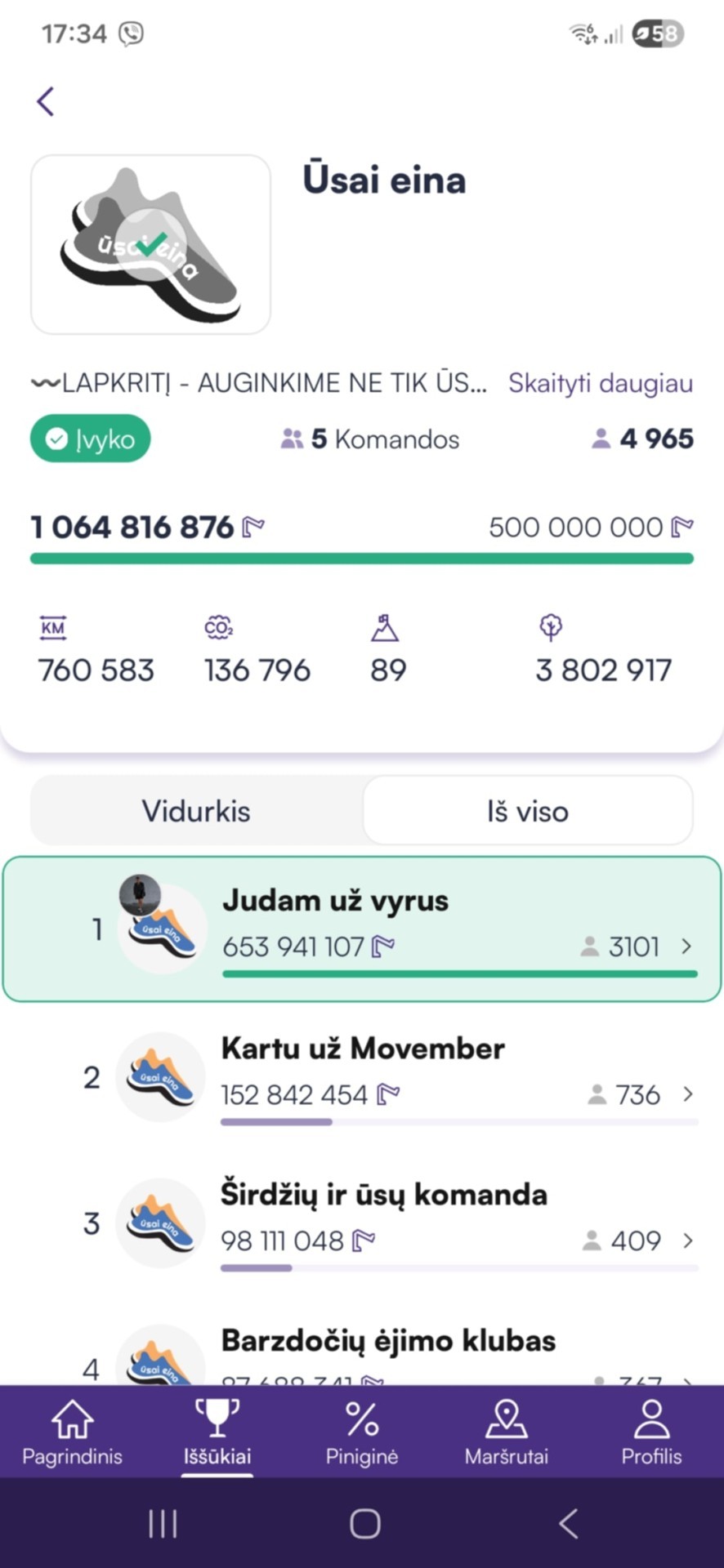
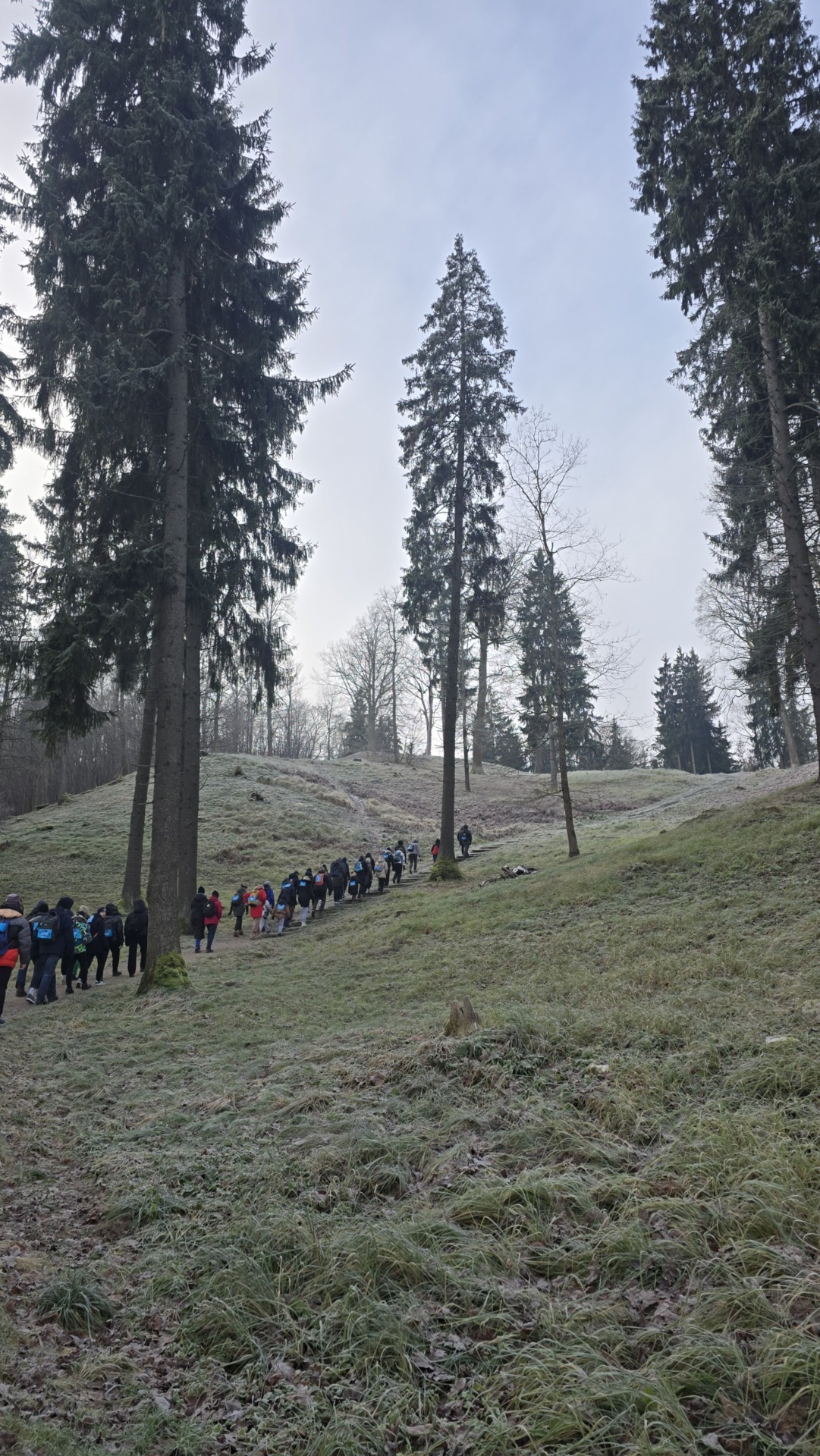
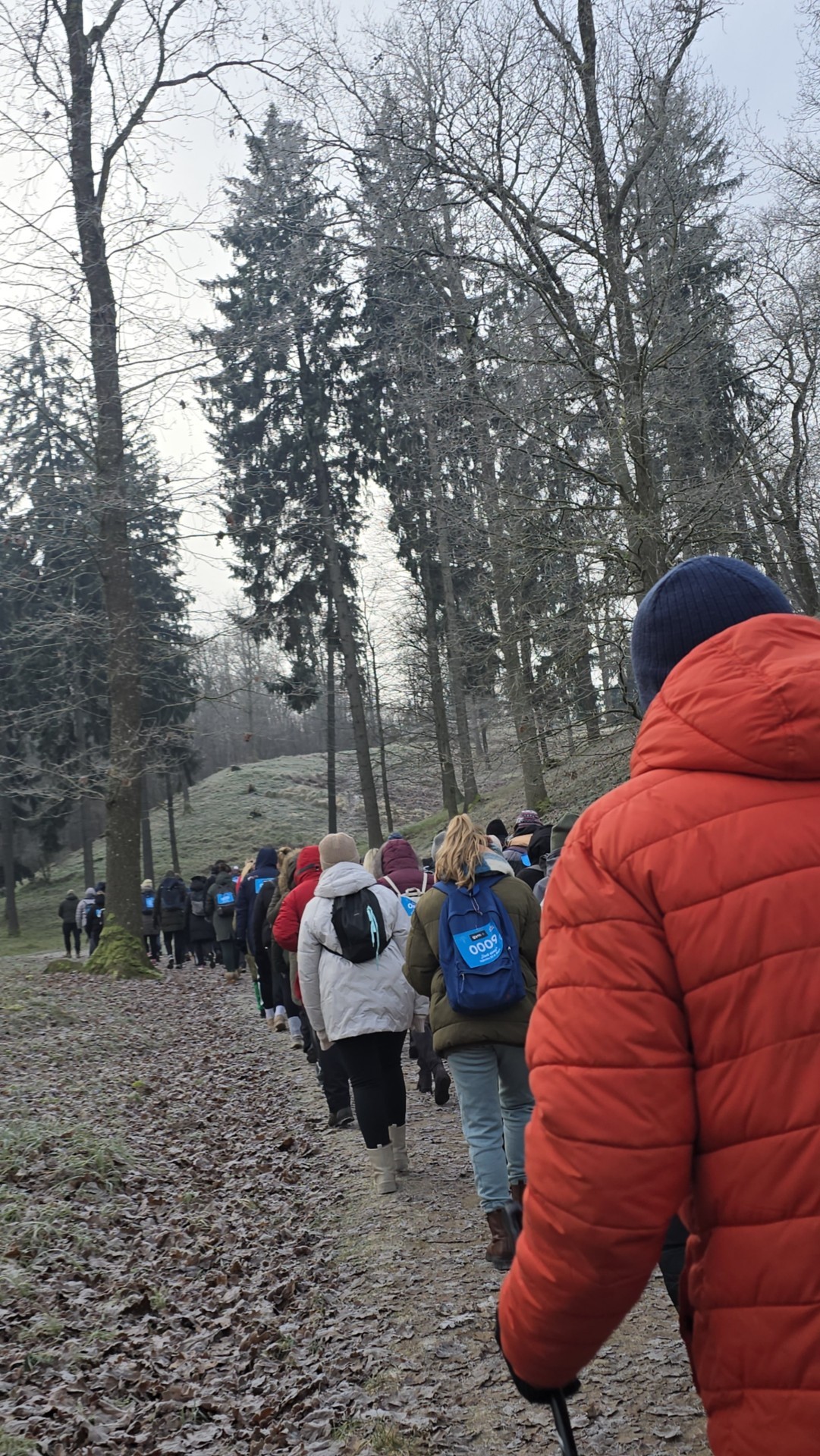
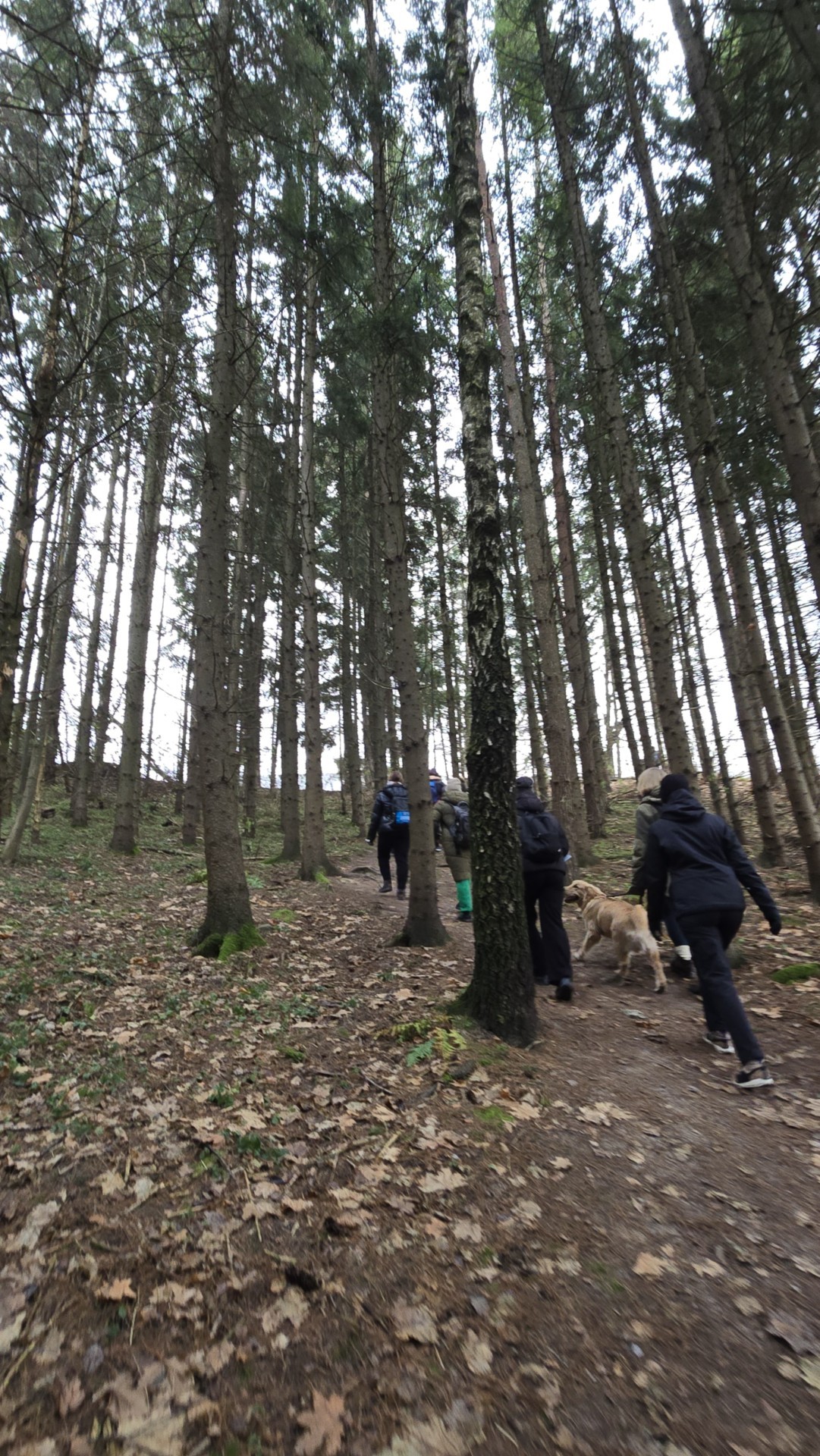
“Movember is a global movement that helps bring attention to prostate and testicular cancer prevention, mental health and suicide prevention. In Lithuania, we are strengthening this mission through initiatives such as ‘Ūsai eina’ in the Walk15 app and the ‘Check Your Balls’ campaign. This year, together with one of our partners, GymPlius, we also managed to organise the ‘Ūsai eina’ hike,” said M. Kinčius, reflecting on this November's initiatives.
Kinčius emphasises that physical activity, mutual support and open dialogue are essential to reaching men and encouraging self-examination and early diagnosis. In his view, the myths and stigmas that undermine men's health must be replaced by a new culture in which visits to the urologist, seeking emotional support and undergoing preventive examinations become normal habits, while taking care of oneself is recognised as a characteristic of the modern, educated and strong man.
The step-counting initiative “Ūsai eina”, which has just concluded after running throughout November, proved to be an effective way of combining physical activity with men's health prevention. The challenge encouraged men to move every day while raising awareness of prostate and testicular cancer prevention and emotional well-being, helping to reduce stigma and giving men the confidence to speak openly about their health concerns. The active involvement of businesses, organisations and communities demonstrated that caring for men's health is not merely an individual responsibility, but a shared societal priority – one that makes it possible to reach broader audiences through prevention and make a tangible contribution to early disease detection.
This year, the “Ūsai eina” step challenge on the Walk15 app attracted nearly 5,000 participants. Those who accumulated the highest number of steps throughout the month received health and wellness prizes provided by the initiative's partners.
“We are grateful that, through our partnerships, we are able to bring initiatives of this kind to life and make a meaningful contribution to men's health,” said M. Kinčius.
© 1996–2026 Lithuanian Urological Society
Lietuvos urologų draugija
Santariškių g. 2, Vilnius
Juridinio asmens kodas 191933163
El. paštas info@lud.lt
Teisinė forma: asociacija